On paper, a project for pumping might seem straightforward: water must be pumped from one location to the next. In practice, distances between these two points could be influenced by elevation changes or the pressure and solids requirements, as well as storage capacity, electrical equipment, site restrictions, as well as changes in the rate of flow.
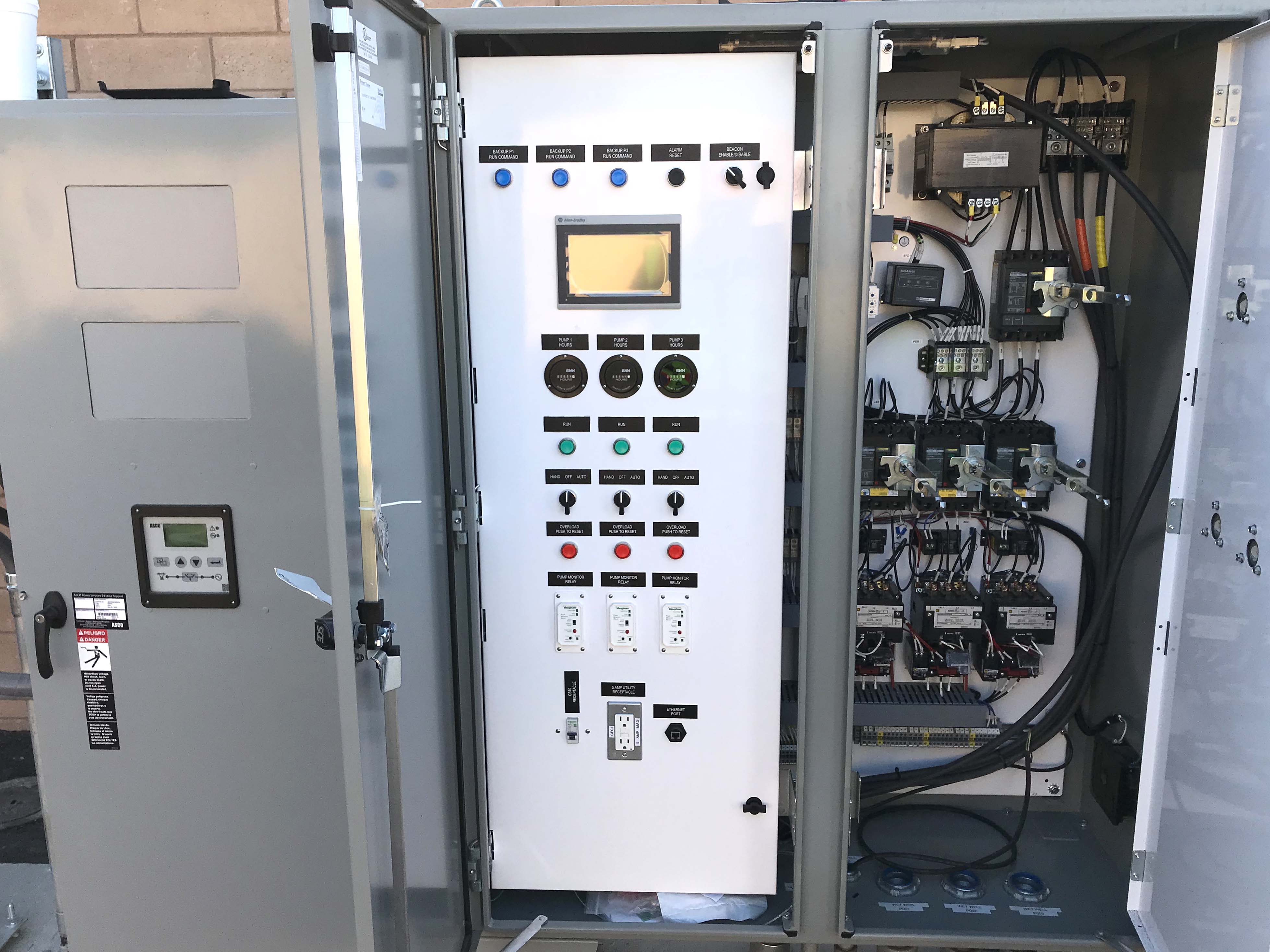
Image credit: romtecutilities.com
For Romtec Utilities, designing a pump station starts with specifying the operational conditions instead of choosing items from a standard catalog. The requirements for the project can be used to create preliminary designs and budgetary data.
Ask yourself: Where do we go?
The design is instantly changed.
Domestic sewage is often contaminated with solids and may experience significant fluctuations in daily flow. A wastewater lift station needs to transport the wastewater in a reliable manner when gravity conveyance is inaccessible or is insufficient. Engineers need to take into account the anticipated inflow, peak conditions, pumping capacity, wet-well behavior, discharge requirements and how the equipment is operated and maintained.
Diverse challenges arise from industrial water. Fluids that are caustic, oily or have high temperatures and pressures may be needed by a manufacturing or processing facility. Romtec Utilities designs systems for industrial applications that range from food processing to power generation to databases, pharmaceutical waste, gasoline and oil-based facilities.
Rainfall may create a completely different operating cycle
Stormwater systems can be able to endure long periods of a lack of activity only to be faced with massive volumes during a storm.
A stormwater lift station associated with a detention basin, for example, must work with the site’s larger drainage strategy. Runoff flows into a basin. The temporary storage controls the volume immediately. The pumping system transports the water that is collected to an approved outlet.
Romtec Utilities provided this solution to help develop an Norco business park in California. The pumping system was needed to drain the detention basin and then discharge it into the stormwater network. The station was intended to function as a part of a development’s drainage system, not as an isolated piece of equipment.
“Package” Doesn’t Mean “Off the shelf”
Many people believe that a system for pumping packages is merely a predetermined collection of parts.
In the case of engineering infrastructure packaging could mean that all major components are coordinated into one system. Pumps, meters and controls as well as components for structural construction and equipment, are able to be picked depending on the conditions of use.
This method is especially beneficial when a new system must connect with existing infrastructure. Industrial facilities and municipal facilities might not provide a lot of area for installation or in good condition. Equipment might need to be positioned around existing piping, structures or electrical systems as well as operating schedules.
Capacity planning is a real issue
The cost of undersizing rises when the facility grows.
Romtec Utilities, a Portland International Airport utility company, designed and provided an sewer interceptor lift station to the PDX Next project. The new station was designed to increase the capacity of peak flow of the existing system, because airport facilities are expanding.
This demonstrates a crucial aspect of engineering: construction conditions must not just reflect what an installation handles in a typical afternoon. Engineers should also be aware of what happens when demand rises.
The job isn’t finished until the Equipment Arrives
Eventually, drawings and calculations must be converted into an operating system. Installation coordination, startup and testing, documentation and operator understanding are all important to ensure long-term success.
What happens after the building of a pumping device determines the quality of the system. The decisions made in the beginning of the design are obvious whenever equipment needs maintenance, flows increase or the weather strikes.
Romtec Utilities combines these decisions into a pumping service specifically tailored to a specific project. This can help transform individual equipment into an infrastructure designed to withstand the challenges they face.