A nightclub may have trained bartenders and alcohol policies written down and an experienced manager on each shift. The security measures may appear reassuring in an employee handbook.
Imagine an evening on a Saturday that is full of bartenders serving a group of patrons, and a floor manager deals with an issue and customers are ordering drinks at various places. Who’s accountable for determining when anyone shouldn’t be drinking in the future?
In the context of litigation involving dram shops, that question can be more important than knowing how many bottles were sold.
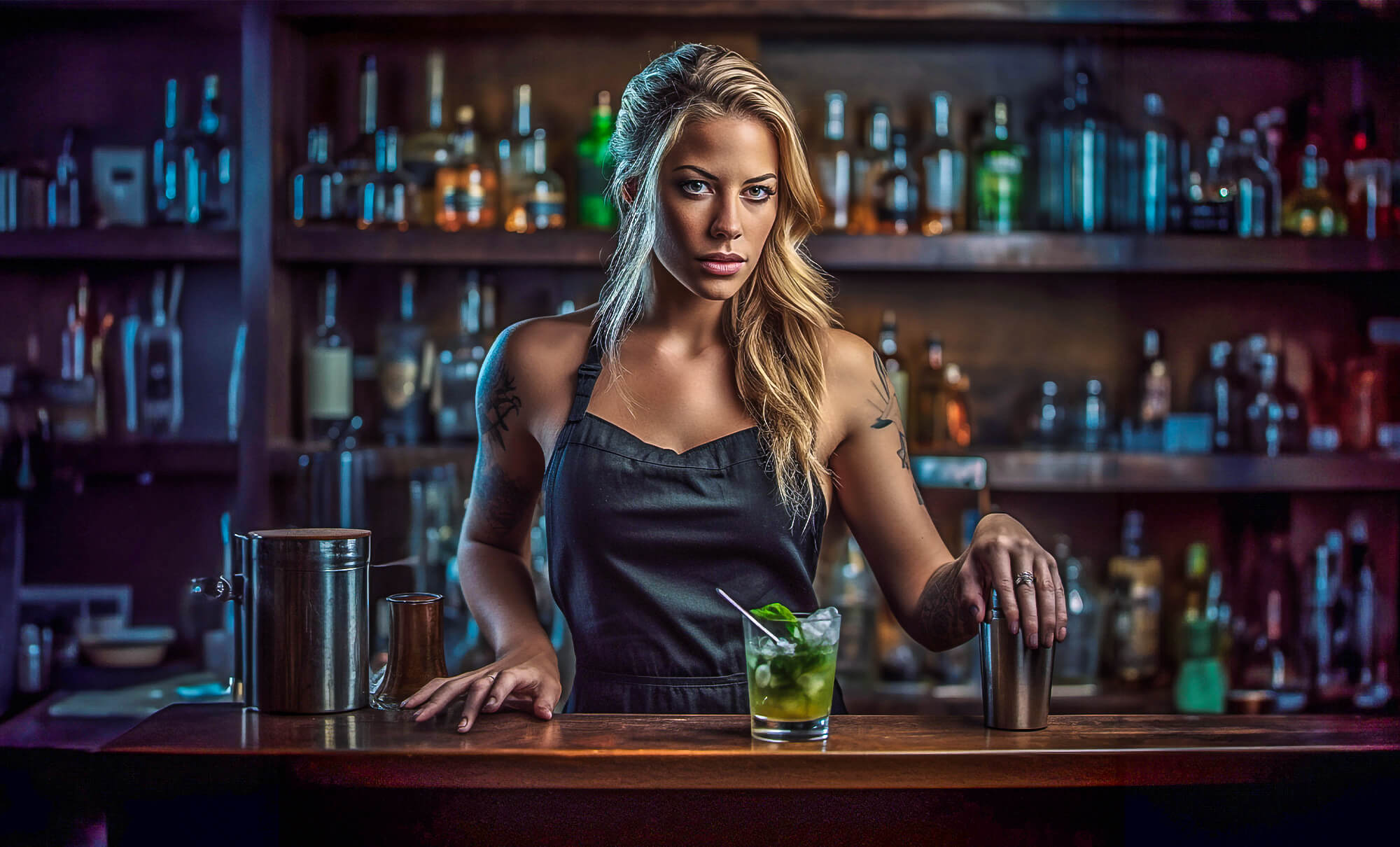
Overservice investigations begin with what Staff Could See
Dram Shop expert witnesses will examine whether the alcohol service decision-making of employees was conforming to the industry standard and other circumstances.
Intoxication alone is not enough to show that the bartender knew of the warning indicators. Investigative investigations must take into consideration the behavior of the client and the time of the service, observations by personnel, and any evidence.
Surveillance video can expose a person’s inability to walk, bizarre movements, or interactions with employees. The testimony of witnesses can give additional details, though their memories may differ. The important distinction is between the information that investigators have following an incident, and what personnel could reasonably have known at the time.
One tab isn’t always the same as One Drink
These records can be useful however understanding them requires experience in hospitality. A customer can purchase several rounds of beverages for their friends. There could be multiple people involved in bottle-service transactions. Separate bartenders may process orders without recognizing that another employee has served the order.
An Alcohol expert witness can examine transaction times, beverage quantities, surveillance recordings, and staffing records to develop a more complete service timeline.
The analysis may reveal instances in which employees might intervened or identified intoxication. It can also reveal where the evidence isn’t sufficient to determine who had consumed specific drinks.
The floor is where the Training takes place.
The accreditation of employees is essential however, it doesn’t necessarily determine how a place performed during a particular shift.
Investigations can determine whether or not employees are trained, whether they understand the intervention procedures and if management has implemented policies that have been reinforced.
Preston Rideout brings more than three decades of experience in operations for hospitality to his work, which includes bartending, nightclub management and beverage-program consulting.
Professionally, his credentials show that he is the owner of 112 seller-server certificates for 48 states in addition to the District of Columbia.
The combination of both will allow him to analyze the education that employees received and their operational decision-making. For example, a bartender may be able to spot a problem but not be able to communicate with management or record a refusal of service. This means that the level of supervision is equally important as the employee’s actions.
Insurance investigations may pose similar Questions
Expert witnesses in Liquor Liability often deal with the same operational issues for insurance companies lawyers, coverage counsel, and defense attorneys. The terminology may differ, but the underlying investigation remains focused on alcohol service, staff conduct training, supervision of management.
A detailed review could comprise incidents reports as well as written policies. This could also include video recordings employees’ schedules, employee timetables or certification documents. It is not the job of the expert to endorse the company that employs them. The expert should explain why the evidence supports, identify relevant practices in the business and accept any limitations.
Experience helps explain the decisions behind the documents
Rideout has served as a witness in alcohol service and hospitality cases across 11 states. He has acted for both the plaintiff and defense lawyers.
His study covers bars, restaurants and nightclubs, in addition to resorts, hotels, casinos and other settings for hospitality that serve alcohol on a every day basis. Every setting presents its own distinct management structures and supervisory problems.
A bartender in a restaurant’s small dining area might have more opportunities to watch customers than a worker of a counter service at a nightclub. Understanding these differences allows you to place the evidence in the proper operational context.
The credibility of a person’s opinion isn’t filled by making assumptions
Dram shop laws are different according to regions. Expert statements from operational experts is not a substitute for legal advice. The most accurate analysis will reveal how the employees acted in the manner that was recognized as a service practice were necessary, and what conclusions can be based on the evidence.
Sometimes, the records show deviations from the standard procedure. The records also show that employees did not follow the right procedures or left important questions unanswered.
It is essential to distinguish between the two when in evaluating claims involving alcohol. An expert’s opinion is more than a summary of the incident. It allows the judge to understand what was happening inside the premises even before the end of the night.