A nightclub may have bartenders trained and certified and alcohol policies written down as well as a skilled manager on every shift. These safeguards could be reassured in a manual for employees.
Imagine a bustling Saturday night, when multiple bartenders are serving the same crowd. The floor manager is dealing with a disruption, and customers purchase drinks from multiple places. Who will decide when a person should not receive alcohol?
This type of question could reveal more in a dram store lawsuit than simply determining how many drinks were sold.
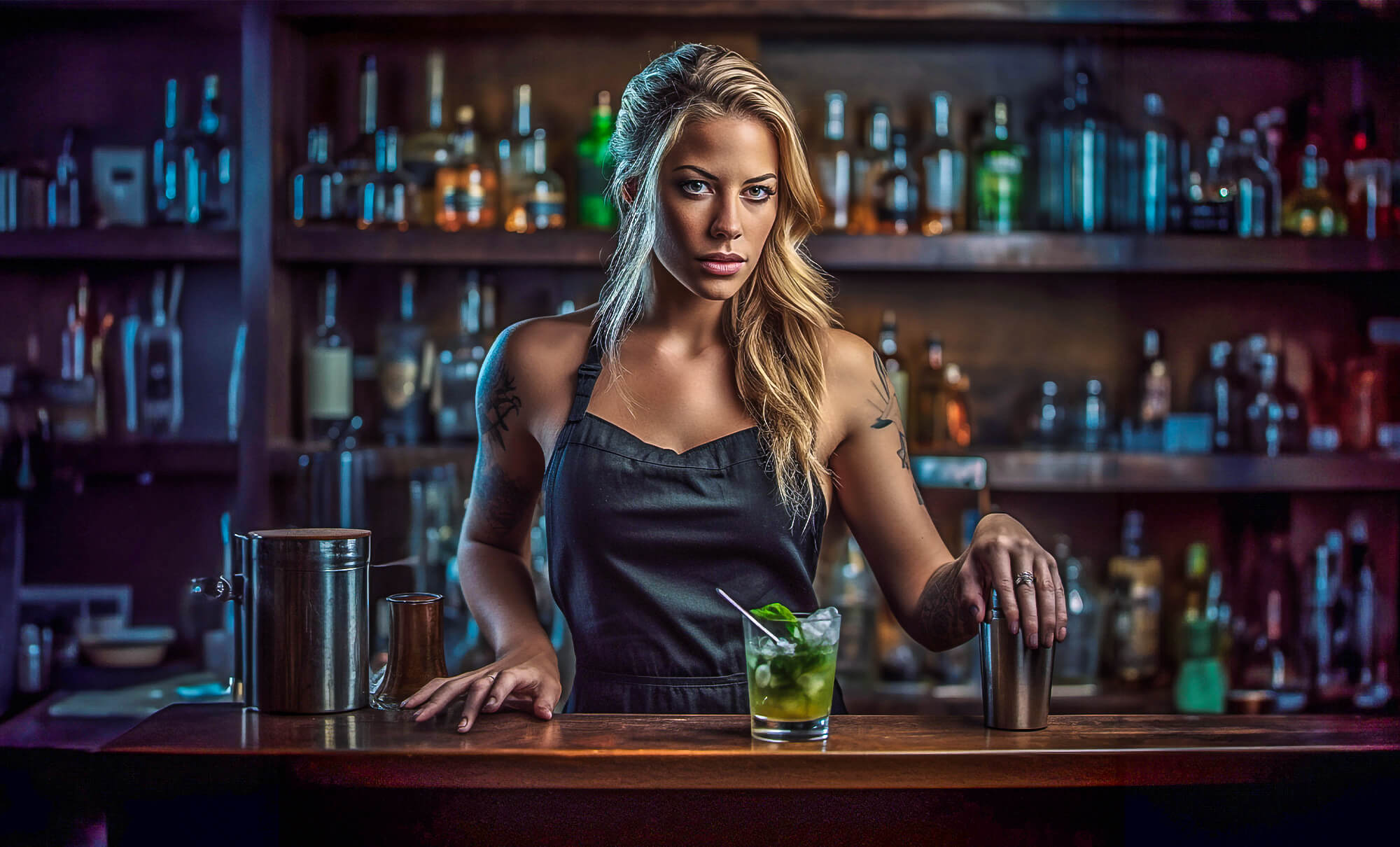
The first stage in the investigation of overservice is to see what staff members might be seeing.
A Dram Shop expert witness examines whether alcohol-service decisions were consistent with recognized industry practices and the circumstances employees actually encountered.
Intoxication alone is not enough to prove that a bartender was aware of warning indications. The investigation must consider what the customer’s behavior was, as well as the service timing, and the observations of staff.
Surveillance footage may reveal an inability to walk, odd movements, or interaction with employees. Witness testimony can provide additional details, however recollections of events may differ. The most important distinction is the information that investigators have following an incident, and what the staff could reasonably recognize in the moment.
One Tab Doesn’t mean one drinker
Records of sales at the point of sale are helpful however, understanding them requires hospitality experience. A customer can buy several rounds of beer for their friends. Bottle-service transactions can include more than one individual. Bartenders are able to process multiple orders without knowing the previous order of another employee.
Alcohol experts are able to look at the timings of transactions, alcohol consumption as well as video surveillance and the records of staffing in order to develop a comprehensive timeline.
The analysis could reveal instances when employees were able intervene or recognize the fact that they were drunk. This analysis can also show that there isn’t enough evidence to establish the person who consumed an alcohol drink.
Training Matters Only When It is completed on the floor.
The accreditation of employees is crucial however it doesn’t instantly determine how a location worked during a specific shift.
Checking if the training program is current, if employees are aware of the intervention procedure and whether managers have a strong understanding of the procedures can form part of the investigation.
Preston Rideout is a professional in hospitality with more than 30 years of experience. This includes management, bartending and drink-program consulting.
Professionally, his qualifications show that he is the owner of 112 seller-server certificates for 48 states and the District of Columbia.
This allows him to examine the training employees received, as well as the operational decisions they had to make. For example, a bartender might spot the issue, but don’t know how to reach management or report a denial of service. It is therefore important to evaluate the supervisor’s capability to oversee.
Insurance Investigations May ask Similar Questions
A specialist witness for liquor liability often will address the same operational problems for coverage counsel and insurers as well as defense lawyers. Though the language might differ, the underlying investigation concerns alcohol service and staff conduct.
An in-depth review can include incidents reports as well as written policies. It could also contain video recordings of employee schedules, employee calendars or other certification documents. The role of an expert isn’t to be a force for the person that is keeping them. The expert has to explain why the data supports, identify pertinent practices within the industry and accept any limitations.
Experience is a key factor in determining the reasons that are behind the documents
Rideout has worked with plaintiffs and defendants across 11 states to testify in alcohol-service, hospitality and other aspects.
His research covers bars, nightclubs and hotels, as well resorts, casinos and other locations in which alcohol is frequently served. Each environment has different supervisory and staffing challenges.
The bartender in a small dining room in an eatery may be able to see different aspects of the customers compared to a nightclub employee working at a bustling service station. Knowing the differences will allow you to place the evidence into its correct operational context.
The credibility of a person’s opinion isn’t filled by making assumptions
The laws for a liquor shop differ based on regions. Expert statements from operational experts should not be mistaken for a legal determination. The strongest analysis explains the actions of employees in the past, what standards of service required, and which conclusions the evidence supports.
Sometimes, records indicate that a deviation was made from the prescribed procedure. They could also reveal that the employee was following proper procedures or didn’t answer the most important questions.
It is crucial to differentiate between these two when lawyers are looking at alcohol-related claims. A qualified expert’s report that is useful does more than just describe what happened. It allows the court to discern what was going on inside the premises even before the evening was over.