Imagine all the apps on your smartphone. You use them every day without pondering the loops of habit. Your thumb knows precisely which direction to take. Behind the effortless second-nature interaction, there’s a significant amount of conscious human psychology as well as deeply technical engineering. Digital friction has become a zero-tolerance policy for modern-day users. Any mobile device which lags, is slow to load when data connectivity is weak, or does not receive a notification, will be erased in minutes. If you’re a founder with funding or enterprises with teams that are focused on growth there is no reason to be higher. The success of a digital product requires more than just a beautiful landing or sleek surface. It is vital to have a partnership with a leading mobile app developer that engineers human retention from the very beginning stages of production.
How can you navigate the ever shifting rules of ecosystems
It is much more challenging building for mobile than web engineering because you have to work on an unstable surface. Apple introduces a new version of its operating system every autumn. This version is more strict in its privacy statements, the phasing out of outdated code, as well as revisions to app store reviews protocols. Google has a complicated timeline. Notifications are constantly changing and background processes are constantly updated. Your product may break If your team isn’t paying attention to these evolving guidelines. It will result in bad reviews and broken features. This is precisely why businesses must intentionally hire mobile app developer teams who view their work as an ongoing lifecycle rather than a one-time coding sprint. Release engineering is a continuous process that assures that the automated shipping pipelines remain in operation and secure at every operating system change.
The Crossroads of Native Experiences
When constructing a brand new mobile-friendly roadmap, developers will eventually come to a major moment in their development: determining the way in which code interacts with hardware. Selecting the right iOS application development services provides teams direct, uncompromised access to Apple’s latest native frameworks, allowing smooth animations with a silky smooth texture and ties to specialized features like HealthKit or biometric security. A properly designed Android app will ensure that your app can be built to function with the wide selection of screen sizes processing capabilities and device types that are available in the market. Native architecture is the most dependable if your business model relies heavily on access to devices, such as interacting low-latency Bluetooth devices, tracking locations in real-time, and offering smooth checkout flows using native billing systems.
Cross-Platform Engineering speedens the production process
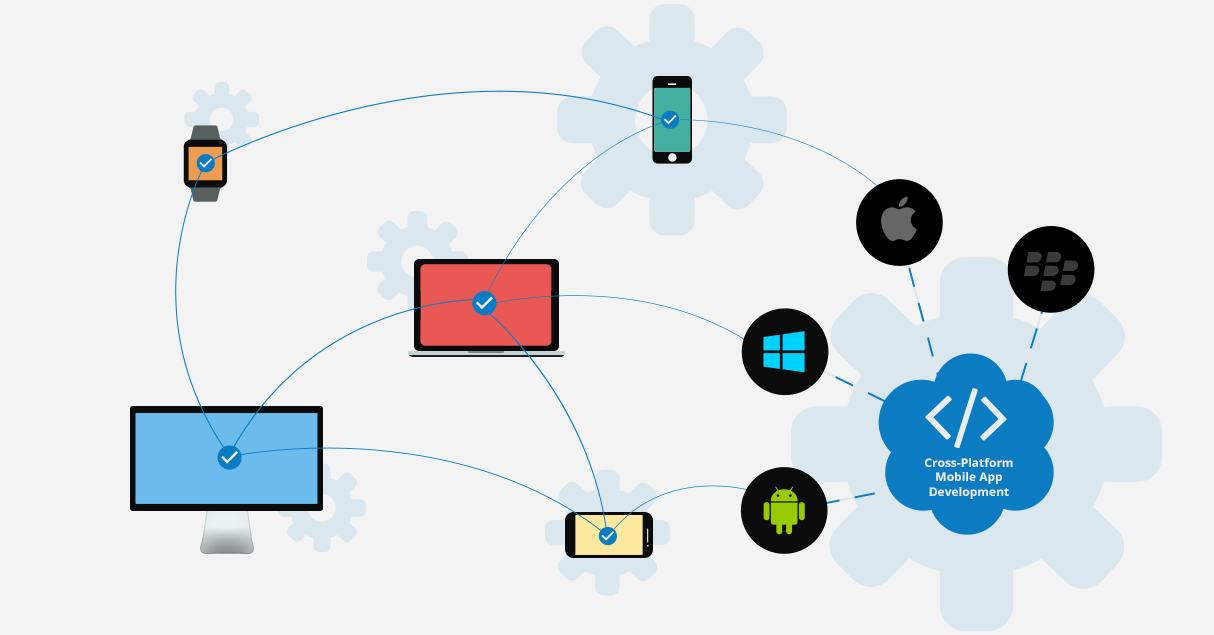
Many organizations are growing quickly as the pressure of funding and the competition may make it challenging to launch on two operating systems simultaneously. By choosing a high-quality cross-platform app development approach solves this issue by allowing an integrated development team to build and test one code base that functions smoothly across both platforms. This approach allows companies to gain real-time feedback from customers at a cost that is minimal. It also reduces the usual launch timeframe by months. Brands can develop highly stylized and pixel-perfect user interfaces by selecting an app developer using Flutter that is specialized in this technology. This guarantees visual consistency across every device. If backed by a solid foundation of automated testing and solid background data syncing, this approach to cross-platform development provides the ideal balance of speedy market entry and high-performance implementation.
Engaging users in a sustainable manner
The ultimate measure of a successful mobile launch can be measured by sustainable, long-term usage patterns rather than download spikes. The most effective mobile design integrates key behavioral triggers into the technological stack to ensure that onboarding processes provide the desired value in just 60 seconds while local data caches seamlessly even in case of unexpected drop-outs from cell phones and notifications systems are in line with users’ needs. No matter whether your team’s goal is to launch an agile, minimum viable product that can prove your market fit or is deploying an enterprise system that demands strict data compliance and data compliance, the fundamental goal remains the same. Digital Heroes can help you develop a digital asset that is resilient, that drives the growth of your business and stays on the screens of your users for a long time.